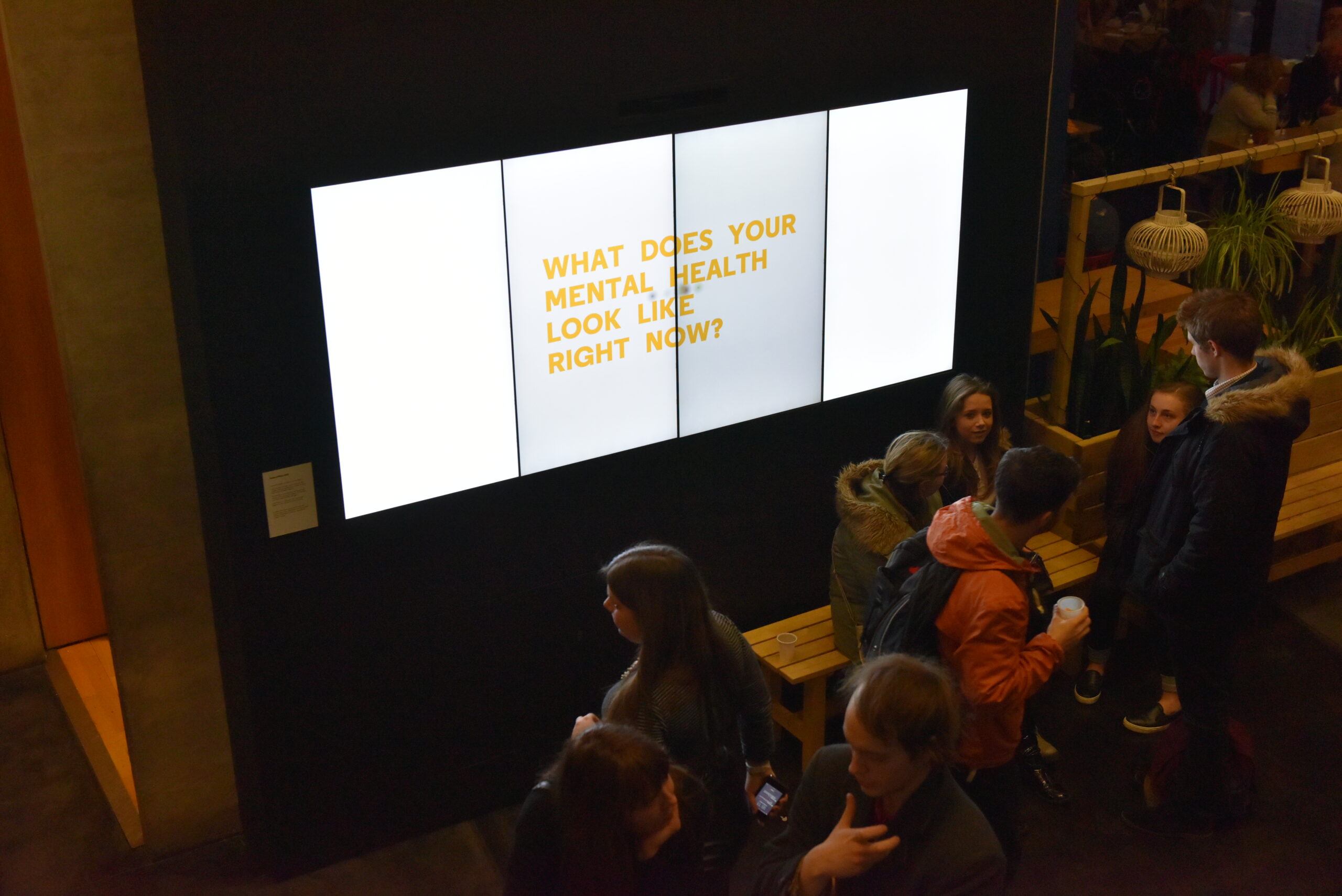






The way we use language to talk about mental illness has a significant impact on how society understands specific conditions. Medical terms such as ‘bi-polar’ or ‘depression’ create a framework of symptoms or behaviors that individuals might be expected to exhibit in social situations, leading to common stereotypes and misunderstanding. While medical language is valid for certain purposes, it is necessary to develop a more nuanced lexicon to enable suffers to express the complexity of their own subjective experiences and to enrich social understandings of mental health issues.
I got really excited this week, when I came across The Reader Organisation’s annual conference titled “We need a new language for mental health”. This call to arms seems to acknowledge the importance of language in defining mental crisis. The title fired my imagination and got me asking, what might a new language for talking about mental health sound like? What kinds of words might be most adequate for reflecting the complexity of emotions such as fear, anxiety and anger?
Read more

